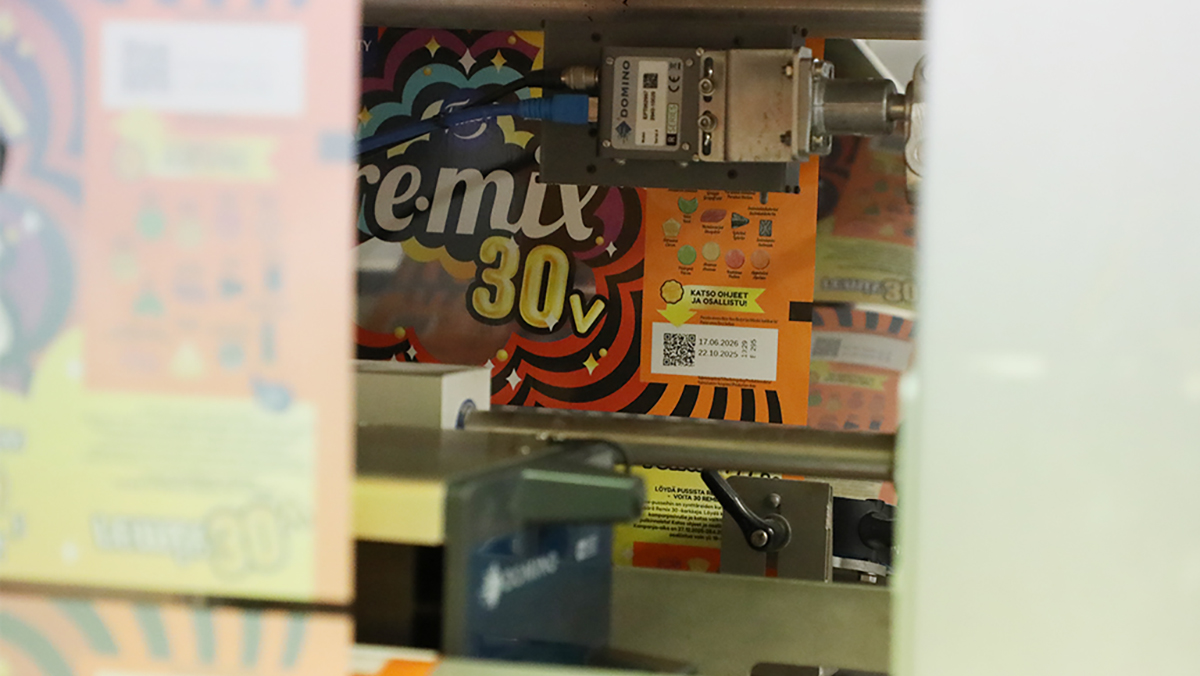
Food packaging codes are no longer just identifiers used at the checkout. They can become digital gateways to product information. The same code can support traceability, expiry date management, more precise product recalls and consumer communication, while also creating a direct connection between manufacturers and consumers.
GS1-standardised 2D product marking enables unique product identification, enhanced traceability and the utilisation of production data throughout the supply chain. In addition, the code can contain batch and expiry information as well as links to origin, sustainability, recipe, campaign and feedback information. Growing traceability requirements in retail and across the food supply chain are increasing interest in next-generation product marking solutions in Finland and beyond.
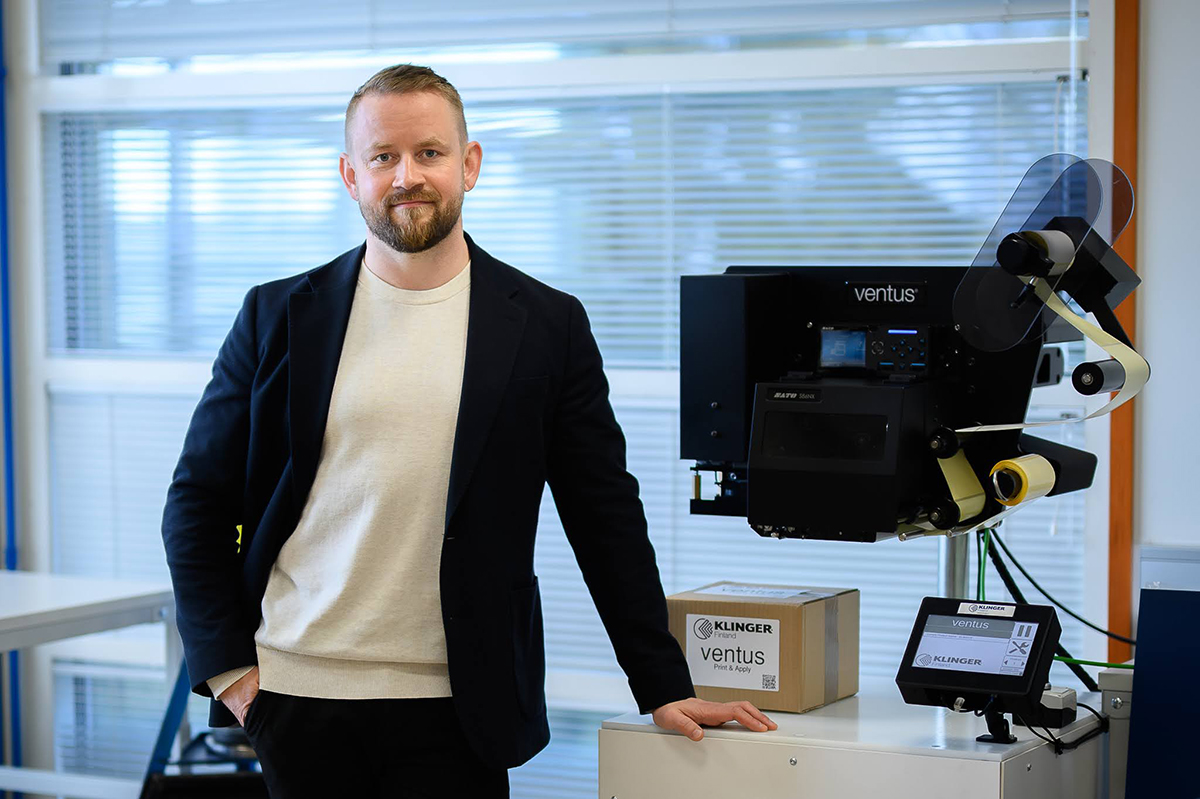
“The digital link also makes the code highly flexible from a marketing perspective. The code printed on the packaging remains the same, but the content behind it can be updated. This means that even older packaging can direct consumers to a new campaign, usage idea or product-specific message. At the same time, batch and expiry information can be utilised more effectively in both production and retail,” says Jari-Pekka Eskelinen, Sales Director at KLINGER Finland Oy.
A pilot production line ensures a controlled transition
KLINGER Finland helps food industry companies build effective solutions that combine smart product marking, machine vision and traceability. Together with customers, the company evaluates what can be achieved with existing marking equipment, what interfaces are required with production management systems and how data can be transferred correctly between products, marking equipment and quality assurance systems. In many cases, the most practical approach is to identify a suitable production line for testing dynamic 2D code printing.
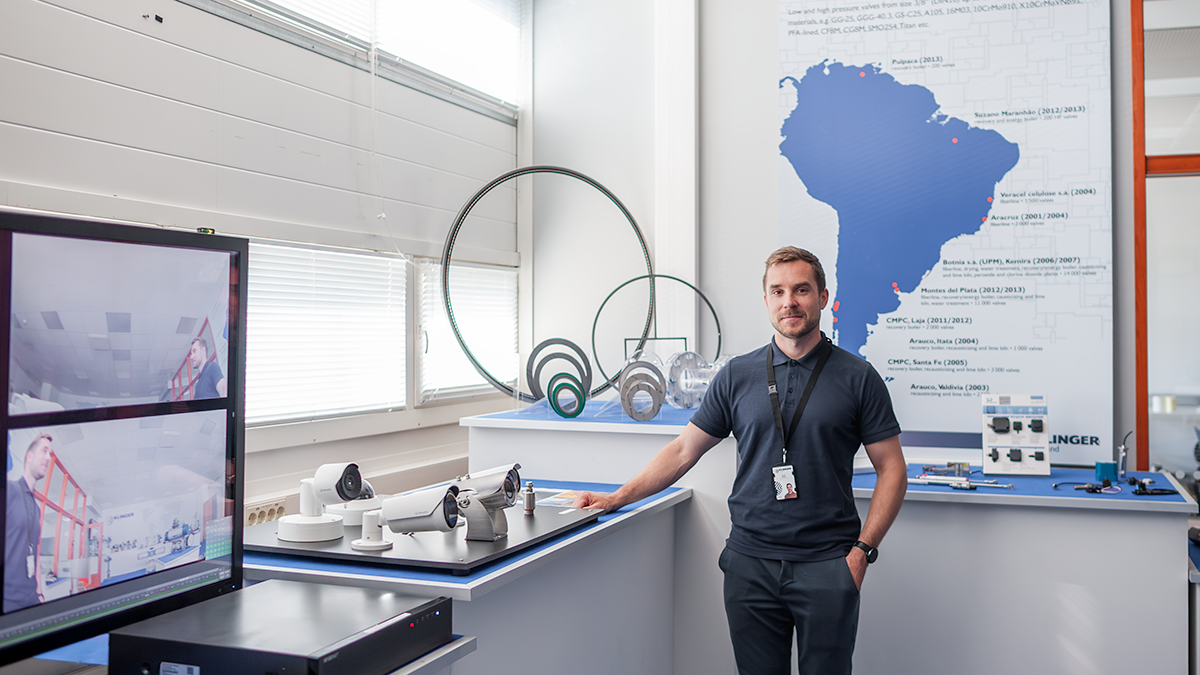
“Quality assurance is an essential part of the overall solution. When variable data is printed on packaging, camera inspection ensures that the code is readable and contains the correct information. At the same time, machine vision can verify expiry date markings, label accuracy and whether the code data matches the product. If the information does not match or the code fails to meet requirements, the product can be removed from the production line before it enters the supply chain,” says Product Manager Rolle Tenho.
KLINGER Finland understands industrial marking requirements and combines product marking, machine vision and quality assurance into solutions that support quality, efficiency and traceability both now and in the future.
Explore our solutions for the food industry
Fazer, S Group, KLINGER Finland and GS1 jointly test 2D code that brings intelligence to consumer packaging
Machine vision in industry – quality inspection for product markings and packaging
KLINGER Finland brings GS1 2D coding expertise to strengthen traceability in the food supply chain
Our service: 2D code readiness assessment for marking equipment
This article is published as part of the Food Safety & Production Quality campaign produced by Mediaplanet. The campaign campaign launches on 12 June 2026 in association with Kauppalehti and on the Business Guide campaign website.
