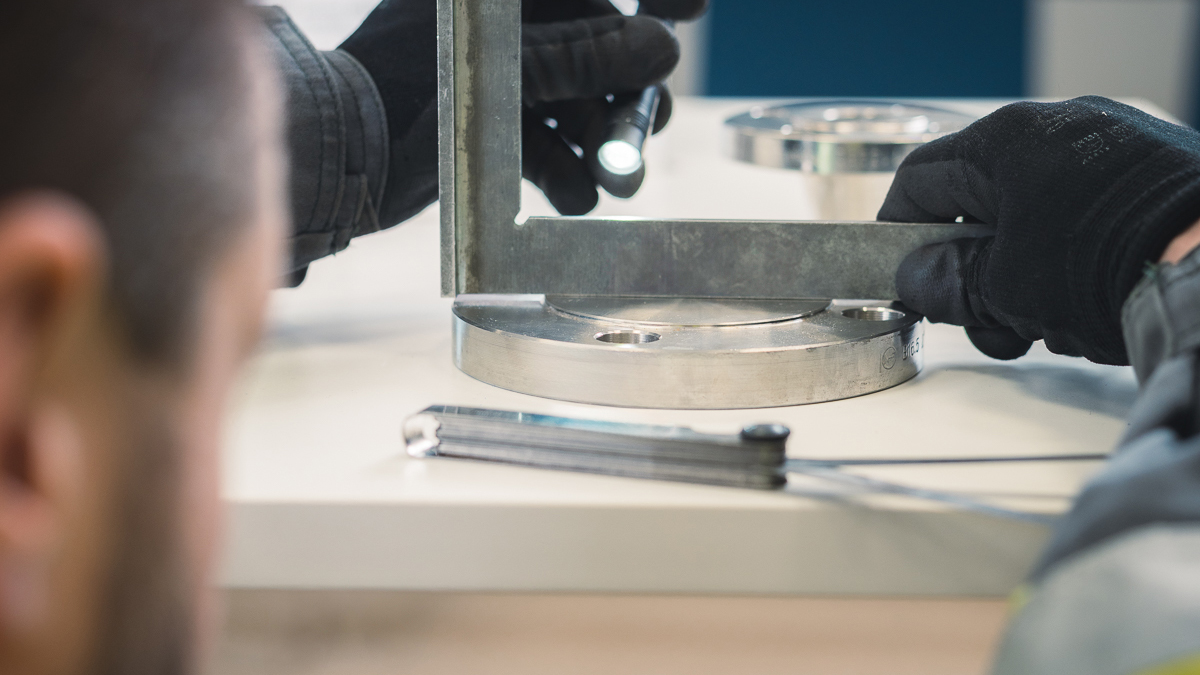
In the process industry, flange joints are among the most critical components of piping systems. A properly assembled flange joint helps prevent leaks, improves plant reliability and enhances occupational safety. The EN 1591-4 standard defines the competence requirements for flange assemblers and helps ensure safe, high-quality and consistent working practices.
KLINGER Finland has trained more than 3,000 flange assemblers across various industries. Our practical experience has shown that proper competence is one of the most effective ways to reduce leaks, prevent production disruptions and improve process reliability.
What is the EN 1591-4 Standard?
EN 1591-4 is a European standard that defines the training, competence requirements and qualification of personnel responsible for the assembly of bolted flange connections. Its objective is to reduce leakage risks, improve occupational safety and ensure the reliable performance of flange joints in process industry applications.
Training in accordance with the standard provides assemblers with consistent procedures for the safe assembly, inspection and documentation of bolted flange connections. When everyone follows the same best practices, both the quality of the work and the overall reliability of the process improve.
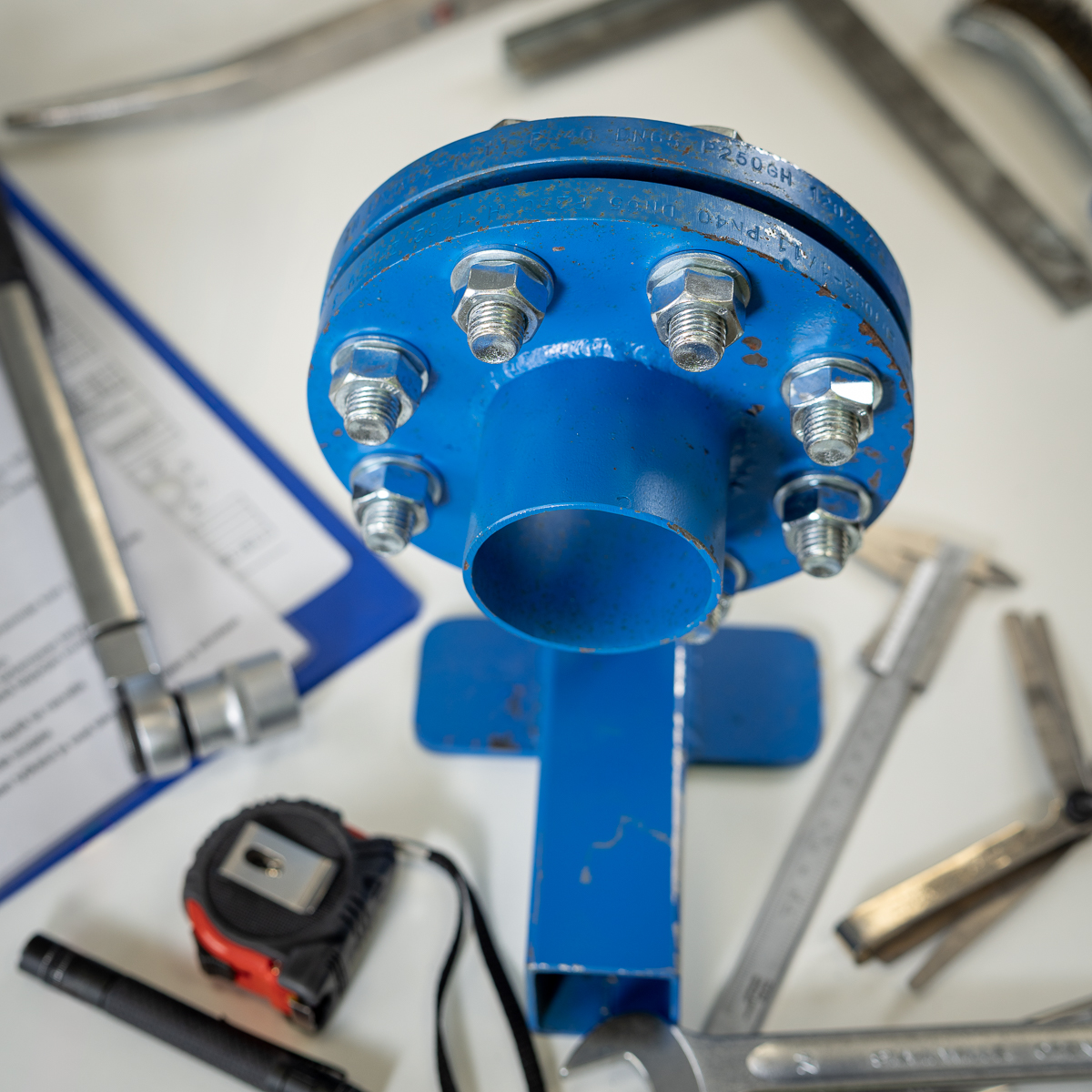
Leak-Free Flange Joints Are the Result of Careful Work
A leak-tight flange joint is never achieved by chance. It is the result of a carefully executed assembly where every step of the process contributes to the final outcome.
Successful flange assembly depends on factors such as:
- correct tightening torque and tightening sequence
- proper use of lubrication
- clean and undamaged bolts
- clean and well-maintained sealing surfaces
- selecting the correct gasket
- accurate flange alignment.
Each of these factors helps ensure that the bolt load is distributed evenly across the gasket, allowing the joint to remain leak-tight even under demanding operating conditions.
In many cases, leakage is not caused by a single major error but by the combined effect of several minor deviations. Under time pressure or during routine work, these issues may go unnoticed until they later result in leaks, additional maintenance work or unplanned production downtime.
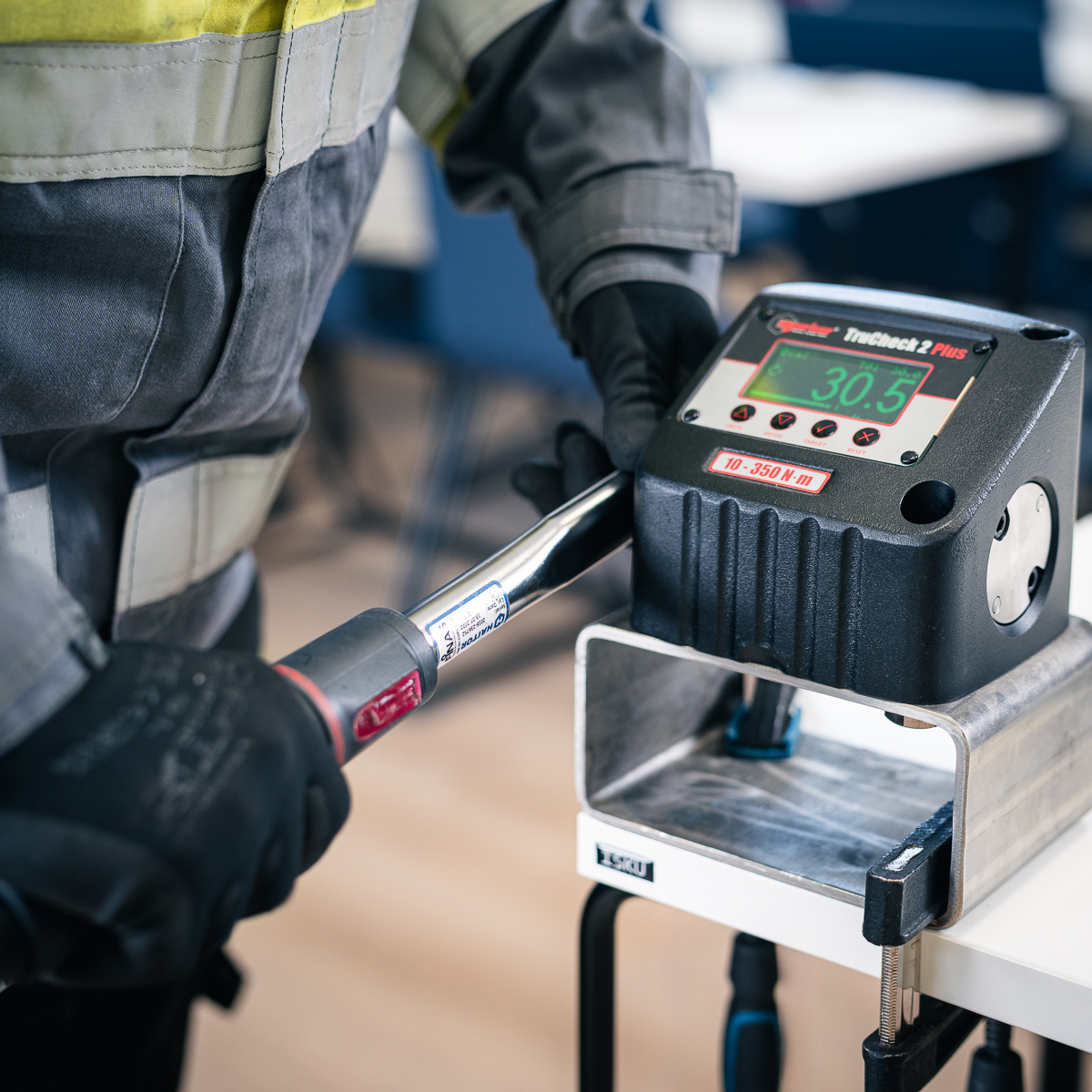
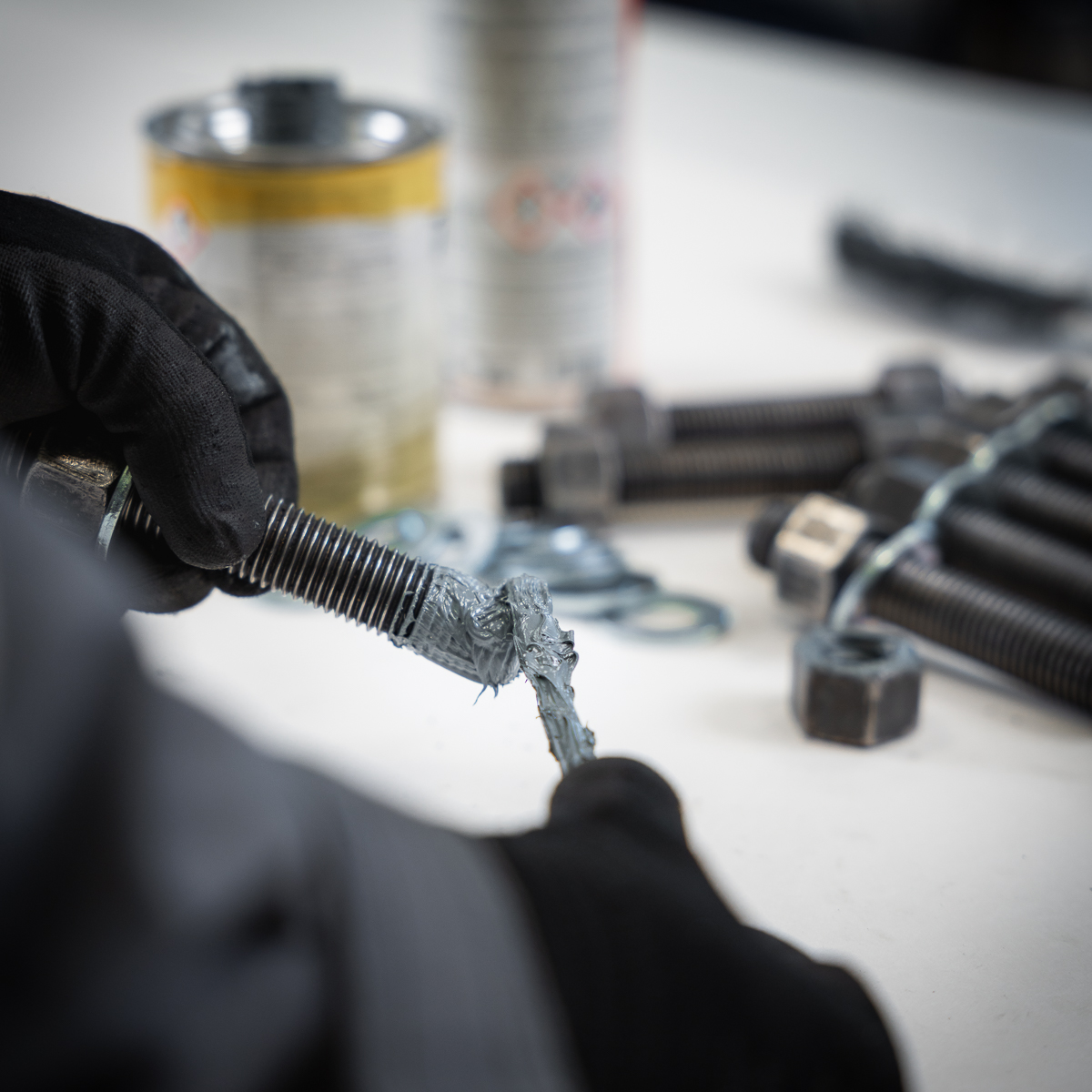
Standardised Working Practices Reduce Risks
The EN 1591-4 standard defines the competence requirements for flange assemblers as well as safe working practices. Its purpose is to ensure that bolted flange connections are assembled consistently and correctly, regardless of the industry or plant.
Working in accordance with the standard helps reduce leakage risks, improve work quality, enhance safety throughout the plant lifecycle and lower maintenance and operating costs.
During the training, participants gain a deeper understanding of the technical principles behind each step of the assembly process. Understanding why every step is important makes it easier to identify potential errors and deviations before they become problems.
“Flange assembly failures are typically caused by one of three factors: human error, structural deficiencies, or a combination of both. Under time pressure or during routine work, risks are not always recognised in time. When assemblers learn to identify the root causes of these issues, a significant proportion of leaks can be prevented before the process is even started.”
– Erno Vaahtera, Technical Manager, KLINGER Finland Oy
Flange Assembly Expertise Benefits the Entire Process
The quality of a flange joint affects much more than a single pipe connection.
Proper flange assembly helps to:
- prevent process leaks
- improve personnel safety
- reduce unplanned downtime
- lower maintenance costs
- improve overall plant reliability.
Safe working practices do not mean slower work. On the contrary, getting the job right the first time eliminates unnecessary repairs, reassembly work and production interruptions.
What Does EN 1591-4 Flange Assembly Training Include?
KLINGER Finland’s training programme combines online theory with a practical classroom session, covering topics such as:
- correct assembly and safe disassembly of flange joints
- flange joint types, gaskets and their properties
- the most common causes of leakage and how to prevent them
- tightening methods, torque tables and the correct use of tools
- documentation and procedures for dealing with deviations.
Participants who successfully complete the training receive an EN 1591-4 qualification certificate and competence card, valid for five years and recognised throughout Europe.Europe.
Who Is the Training Intended For?
EN 1591-4 flange assembly training is intended for everyone working with process piping systems and bolted flange connections. It is suitable for both newcomers and experienced professionals who wish to update their competence in line with current industry requirements.
The training is particularly beneficial for:
- maintenance and installation personnel
- mechanical fitters
- supervisors and maintenance managers
- operations and production personnel
- inspectors
- designers and project engineers.
Even experienced assemblers often discover new insights during the training. Practical experience is invaluable, but standardised working methods help harmonise practices and minimise the risk of errors.ssemblers often discover new insights during the training. Practical experience is invaluable, but standardised working methods help harmonise practices and minimise the risk of errors.
Safety Starts with Competence
In the process industry, safety is built on countless small details executed correctly. Flange assembly is one of them. When assemblers have up-to-date competence and follow common working practices, both leakage risks and production disruptions can be significantly reduced.
That is why competence in accordance with EN 1591-4 is not just a personal qualification—it is an investment in plant safety, operational reliability and long-term efficiency.
Would You Like to Develop Your Organisation’s Flange Assembly Expertise?
Safe and reliable flange joints are built on competence. Training in accordance with the EN 1591-4 standard helps ensure that work is carried out correctly, safely and consistently.
KLINGER Finland provides EN 1591-4 flange assembly training both at our own training facilities and on customer premises throughout Finland.
Learn more about EN 1591-4 flange assembly training:
More Information
Contact our experts at training@klinger.fi – we will help you find the training solution that best meets your organisation’s needs.
